
Quick Summary
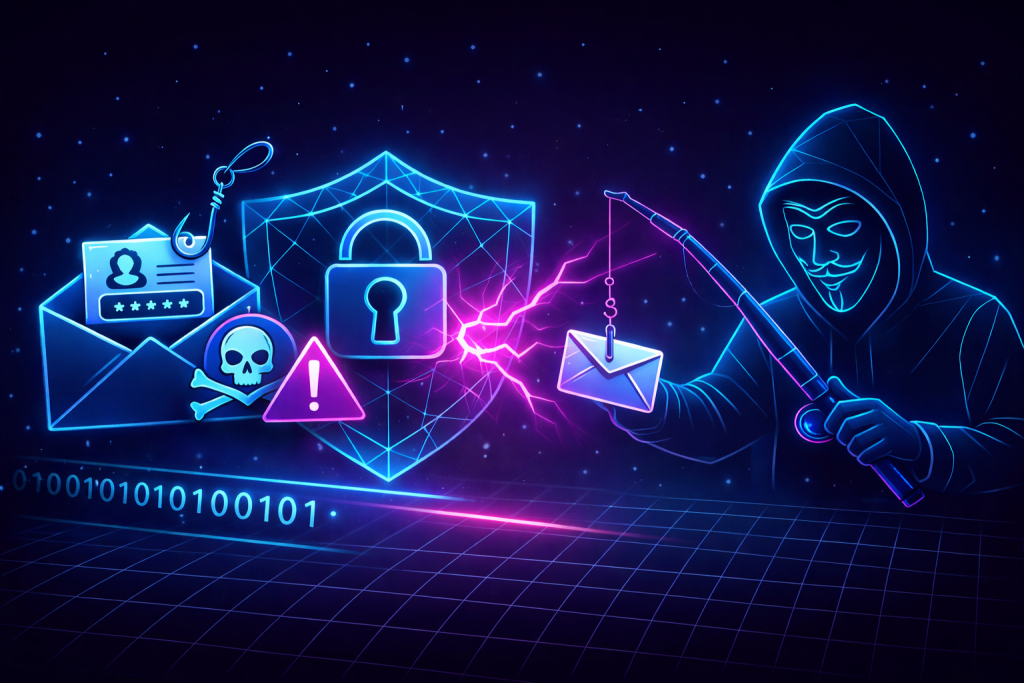
Phishing is still the most common cause of cyber breaches, accounting for 91% of attacks in 2025 (Verizon DBIR). Cincinnati businesses lose an average of $125,000 per incident due to fraudulent emails, data theft, or compromised accounts.
BlueHat’s email security services in Cincinnati use AI-driven phishing filters, encryption, and employee training to stop phishing before it reaches your inbox, preventing costly downtime and protecting your reputation.
Why Email Security Still Matters in 2025
Despite decades of innovation, email remains the top entry point for cyberattacks. Hackers exploit the one thing every business relies on: communication.
In Cincinnati, where small and mid-sized businesses power much of the economy, email attacks have surged by 38% year-over-year (Ohio Cybersecurity Center, 2025). These scams are no longer the “poorly worded” spam messages of the past, they’re AI-crafted, brand-accurate, and terrifyingly convincing.
A single employee clicking a malicious link can expose sensitive client data, trigger ransomware, or disrupt your entire operation. For SMBs, this often means days of downtime, reputation damage, and costly recovery efforts.
The Evolution of Phishing: Smarter, Faster, and Harder to Detect
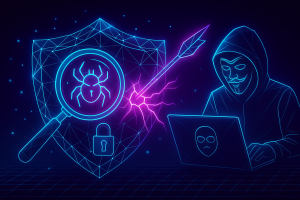
Modern phishing attacks are powered by AI and machine learning. They adapt in real-time, learning from failed attempts to craft even more convincing messages.
Here are the top email security threats Cincinnati businesses face in 2025:
1. Business Email Compromise (BEC)
Hackers impersonate CEOs, vendors, or accounting contacts to request wire transfers or sensitive files. The FBI estimates that BEC scams cost U.S. businesses over $3 billion annually.
Actionable Tip:
Implement dual approval for all wire transfers and verify requests through a second verifiable communication channel (e.g., Slack, Teams, or phone).
2. AI-Generated Phishing
Cybercriminals use AI tools to mimic tone, grammar, and even signature blocks from your actual employees. These messages can easily bypass traditional spam filters.
Actionable Tip:
Deploy AI-powered email filtering that detects anomalies in language and sender behavior, not just known spam patterns.
3. Malware and Ransomware Attachments
Phishing messages often include infected attachments disguised as invoices or delivery receipts. Clicking these triggers malware installation and immediate data encryption.
Actionable Tip:
Disable automatic downloads in email clients and use sandboxing tools that open attachments in a safe environment.
4. Credential Theft
Login portals replicated by hackers trick employees into “re-entering” passwords. Once stolen, credentials can unlock everything from cloud accounts to banking portals.
Actionable Tip:
Require multi-factor authentication (MFA) on all accounts. MFA blocks 99.9% of account compromise attempts (Microsoft, 2025).
The True Cost of Poor Email Security
According to IBM’s Cost of a Data Breach Report (2025), email-based attacks now account for 40% of SMB breaches. The average cost per incident is:
- $125,000 in recovery costs
- 22 days of average downtime
- 16% permanent customer loss due to reputational damage
And while large corporations may absorb such losses, small businesses often cannot.
In fact, 60% of SMBs close within six months of a major cyberattack (U.S. Chamber of Commerce, 2025).
What an Effective Email Security Strategy Looks Like
Cincinnati businesses can dramatically reduce risk by adopting a layered defense model that addresses both technology and human behavior.
1. Advanced Spam and Threat Filtering
AI-based filters detect suspicious email behavior in real-time, blocking malware, fake invoices, and impersonation attempts.
2. DMARC, SPF, and DKIM Authentication
These protocols verify that incoming emails actually originate from legitimate domains, stopping spoofed messages before they hit your inbox.
3. End-to-End Encryption
Encryption ensures that sensitive messages, like contracts or invoices, remain private from sender to receiver.
4. Regular Employee Training
Technology can only do so much. Consistent training empowers employees to recognize and report suspicious messages.
5. 24/7 Monitoring and Response
BlueHat’s email security services provide continuous threat monitoring and rapid incident response for Cincinnati businesses, minimizing downtime and preventing recurrence.
BlueHat’s Approach to Email Security in Cincinnati
BlueHat combines AI-driven automation with hands-on local expertise to deliver real-world protection for small and mid-sized businesses.
Our approach includes:
- Behavior-based AI filtering: Learns from internal communication patterns to detect anomalies.
- Real-time sandboxing: Opens suspicious attachments safely.
- Continuous system updates: Keeps filters ahead of evolving threats.
- End-user awareness training: Teaches your staff to stop phishing in its tracks.
- Incident reporting dashboard: Gives full visibility into blocked threats and attempted attacks.
BlueHat clients in Mason and Cincinnati have reported an average 67% reduction in phishing incidents within six months of adopting our system.
Actionable Steps for Cincinnati SMBs
If your company hasn’t reviewed its email security strategy recently, here’s how to get started today:
- Audit Your Email Environment
Identify weak points such as unsecured inboxes, outdated authentication protocols, or staff with elevated access privileges. - Implement MFA Across All Accounts
Simple, low-cost, and one of the most effective defense tools available. - Use Domain Authentication (DMARC + SPF)
Protect your domain from being spoofed by cybercriminals impersonating your company. - Train Every Employee, Every Quarter
Simulated phishing tests reveal weaknesses before real hackers do.
(Internal link: /managed-services/cybersecurity-training-cincinnati/) - Partner with a Local Managed Security Provider
BlueHat offers tailored email security services in Cincinnati that integrate seamlessly into your existing systems.
The ROI of Strong Email Security
Strong email security doesn’t just prevent breaches, it delivers measurable business benefits:
- 99% reduction in spam traffic (Cisco Secure, 2025)
- 70% fewer successful phishing attempts for trained employees (Proofpoint, 2025)
- 30% higher employee productivity due to reduced spam and downtime
- Improved trust with clients who know their data is protected
Conclusion
Phishing isn’t going away, it’s getting smarter. But so can your defenses.
By layering advanced filtering, authentication protocols, and continuous user education, Cincinnati businesses can build resilience that lasts.
BlueHat’s email security services combine AI precision with human oversight to block threats before they ever hit your inbox, helping you protect your data, your clients, and your bottom line.
FAQ
How does BlueHat protect against phishing?
Through AI-driven filters, DMARC enforcement, and employee awareness training designed for Cincinnati businesses.
How often should my business review email security?
At least quarterly, or whenever new users, tools, or systems are added.
Is email encryption included?
Yes, BlueHat’s has options for enabling end-to-end encryption for sensitive messages.