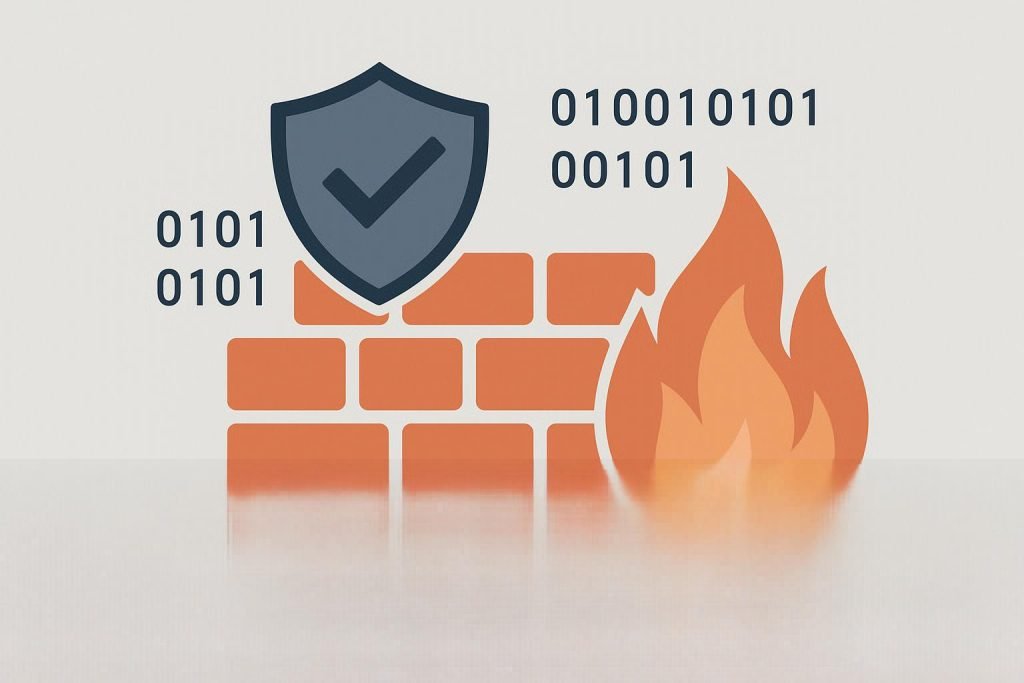

Selecting the appropriate firewall for your small or mid-sized business involves carefully considering several key factors to ensure your organization’s security needs are met now and in the future. Rather than focusing on specific brands, businesses should evaluate firewall options based on their current size, expected growth, security requirements, budget, and internal capability for managing network infrastructure.
Assess Current Business Size and Infrastructure
Understanding your current operational size helps determine the type and scale of firewall your business requires. Smaller organizations might benefit from simpler, cost-effective solutions with essential security features, while medium-sized businesses may require more sophisticated systems with additional capabilities and scalability.
Anticipate Growth and Scalability Needs
Evaluate your business’s expected growth trajectory. Select a firewall solution that can easily scale with increased traffic, additional locations, or more advanced security demands. This ensures longevity and avoids frequent hardware upgrades or replacements.
Define Essential Security Features
Clearly identify your essential security needs, including:
- Basic packet filtering
- Advanced threat detection and prevention
- VPN support for remote access
- Deep packet inspection
- Application and web traffic filtering
Prioritize these features based on your specific industry standards, compliance requirements, and operational risks.
Consider Total Cost of Ownership
When evaluating firewall options, consider not just the initial purchase price but also ongoing subscription fees, licensing costs, and expenses associated with upgrades and support. Calculate a comprehensive total cost of ownership (TCO) to accurately compare solutions.
Evaluate Administration Complexity
Firewall solutions vary significantly in ease of administration. Assess your internal team’s familiarity and experience with firewalls and networking:
- Simpler solutions may offer intuitive interfaces ideal for teams with less technical expertise.
- Advanced firewalls typically require skilled IT personnel or ongoing managed service provider support to administer effectively.
Plan for Device Lifecycle and Manufacturer Support
Firewalls should typically be replaced every 5-7 years to ensure continued effectiveness and security compliance. Closely monitor the manufacturer’s support lifecycle for your chosen devices. Be aware that manufacturers might declare a device “end-of-life” (EOL) even earlier than this typical lifespan, potentially leaving your network vulnerable due to lack of updates or support.
Vendors to Consider
When you’re ready to evaluate firewall vendors, some reliable options for small and mid-sized businesses include: Unifi, Cisco, Fortinet, and Sophos.
Each vendor has strengths in different areas. Consider your business’s unique needs and technical capabilities when selecting the right one.
Decision-Making Framework:
- Define Your Current Needs: Evaluate current operations and immediate security requirements.
- Consider Future Growth: Ensure the solution can scale effectively with business expansion.
- Balance Security and Cost: Select a firewall offering necessary security features within your budget.
- Administration Capability: Align the complexity of firewall management with your team’s technical skill level.
- Lifecycle Management: Regularly assess and plan for device replacement and manufacturer support timelines.
By systematically following this approach, your business can confidently choose a firewall solution tailored precisely to your operational and security requirements, ultimately fostering secure and sustainable growth.
Need Help?
If you need assistance selecting or implementing the right firewall solution for your business, our experts at BlueHat are here to help. Give us a call, send us an email, or schedule a meeting to speak with one of our IT professionals today.