
Today cyber threats are more frequent and sophisticated, relying on traditional antivirus software is no longer sufficient to protect your business. For small and mid-sized businesses (SMBs), cybersecurity is often an afterthought due to limited resources or the misconception that hackers only target large enterprises. However, small businesses are just as vulnerable—if not more so—making it essential to understand modern cybersecurity solutions like EDR (Endpoint Detection and Response) and MDR (Managed Detection and Response).
What is EDR?
Endpoint Detection and Response (EDR) is a modern cybersecurity solution that monitors and responds to threats on devices connected to your network, such as workstations and servers. Unlike traditional antivirus solutions that focus on blocking known malware, EDR actively monitors for suspicious activities and behaviors, enabling real-time detection of both known and unknown threats. Key features of EDR include:
- Continuous monitoring of endpoints to detect malicious activity.
- Automated responses to contain and remediate threats.
- Threat intelligence integration for analyzing and predicting attack patterns.
- Forensic tools to investigate incidents and determine how a breach occurred.
What is MDR?
Managed Detection and Response (MDR) builds upon EDR by adding a human element. While EDR tools offer excellent detection capabilities, small businesses may lack the expertise or time to manage the system effectively. This is where MDR steps in—it’s a managed service where cybersecurity experts continuously monitor, detect, and respond to incidents on your behalf. MDR providers combine EDR tools with expert analysis to:
- Provide 24/7 threat monitoring and alerting.
- Quickly triage and respond to cybersecurity incidents.
- Ensure you have a team of experts responding to threats when they arise.
- Offer tailored threat hunting to proactively search for potential vulnerabilities.
How EDR and MDR Differ from Legacy Antivirus
Traditional antivirus (AV) solutions were designed for a time when most threats were signature-based—meaning they relied on detecting known malware by identifying specific code. These legacy tools are becoming less effective against modern threats, which are often more sophisticated and capable of bypassing basic AV defenses.
Here’s how EDR and MDR differ from legacy antivirus:
| Feature | Traditional Antivirus | EDR | MDR |
| Threat Detection | Known malware (signature-based) | Behavior-based, both known and unknown | Behavior-based, both known and unknown |
| Real-time Monitoring | Limited | Yes | Yes |
| Threat Response | Limited (quarantine) | Automatic containment and remediation | 24/7 human response and remediation |
| Proactive Threat Hunting | No | Yes | Yes |
| Expert Oversight | Limited | Requires internal management | Provided by a team of cybersecurity experts |
Why It’s Important for Small Businesses
Small businesses often think that they aren’t valuable targets for cybercriminals, but this couldn’t be further from the truth. Cyber attackers increasingly target small businesses because they perceive them as having weaker defenses. Here’s why implementing EDR and MDR is crucial for SMBs:
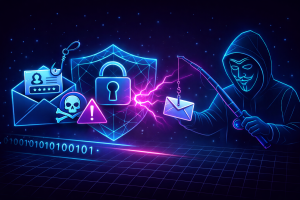
- Rising Cyber Threats: Cybercrime is on the rise, and small businesses are prime targets due to their lack of robust security. Ransomware, phishing, and zero-day attacks are common threats, and traditional antivirus just isn’t enough to detect or stop them.
- Limited In-House Expertise: Most small businesses don’t have dedicated cybersecurity staff. MDR fills this gap by providing expert-level monitoring and response, so you don’t need to hire a full-time cybersecurity team.
- Cost Efficiency: The cost of a cyberattack can be devastating for a small business, from immediate financial loss to long-term reputational damage. EDR and MDR offer more cost-effective protection than dealing with the aftermath of an attack.
- Compliance and Regulation: If your business handles sensitive data—such as customer information, financial data, or controlled unclassified information (CUI)—you may need to comply with security regulations like DFARS, GDPR, or HIPAA. EDR and MDR can help ensure your cybersecurity practices meet these standards.
- Real-Time Threat Response: Legacy antivirus may alert you to a breach after it’s already happened, leaving your business exposed. EDR and MDR provide real-time responses, stopping threats before they cause significant damage.
Implementing EDR and MDR for Your Business
While it may seem daunting to overhaul your cybersecurity, implementing EDR and MDR doesn’t have to be complicated. Services like BlueHat’s Managed IT model offer SMBs a flexible and affordable way to gain access to advanced cybersecurity tools without the need for heavy upfront investment. By taking advantage of EDR and MDR solutions, small businesses can focus on growth and innovation without constantly worrying about cyber threats.
Conclusion
Cybersecurity is no longer optional—it’s a must for every business, big or small. EDR and MDR represent the next generation of defense that small and mid-sized businesses need to stay protected in an increasingly dangerous digital landscape. By investing in these advanced security solutions, your business can mitigate risks, protect valuable data, and ensure compliance with industry regulations.
Don’t wait for a breach to occur—start protecting your business today.